Old town · by the Wisła
Wislavin
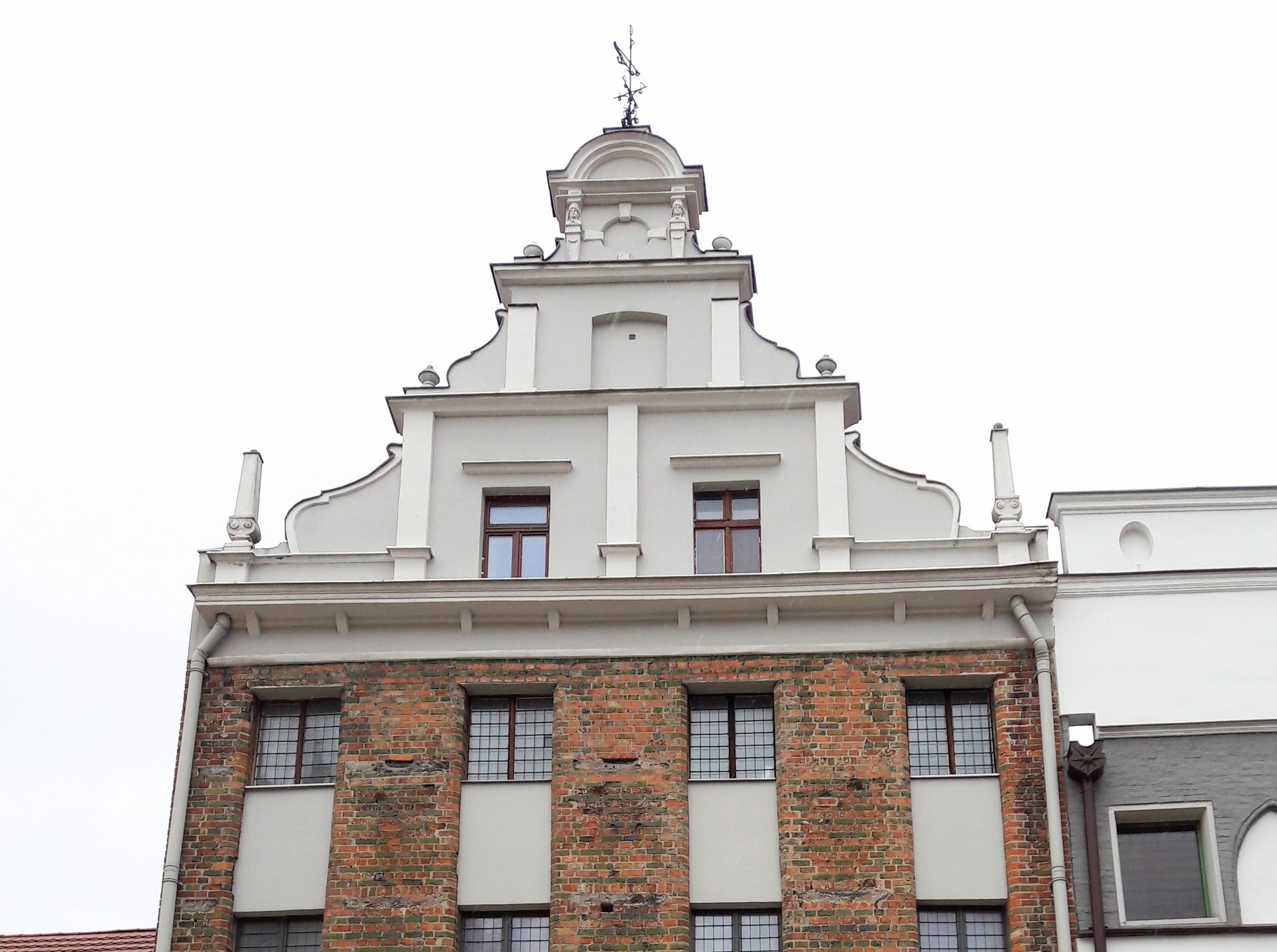
Forty-nine rooms in a fifteenth-century grain store on the Toruń river wall, six storeys of brick with the water ten metres from the door, and a small casino two floors above the desk.
A grain store that kept its floors
Built in the 1400s to hold rye, converted in 2016 with a light hand.
The granary went up when Toruń was still shipping grain down the Wisła to Gdańsk. It was built to carry weight, so the walls are a metre and a half thick at the base, oak joists span the full depth of the building, and hoist beams run out over the street so that sacks could be swung up from a cart. Most of that is still here. The floors slope in places, as three hundred years of loaded barrows will do to oak, and we left them that way.
The conversion brought in a lift, bathrooms, wiring and heating, but the brick is bare and the beams have no false ceiling hiding them. The building is clearly older than the furniture in it, and it is warm and quiet, in the middle of a UNESCO-listed old town you can cross on foot in twelve minutes.
Six storeys
Reception and the restaurant on the ground floor, the bar on the first, the gaming floor on the second, rooms on the third to the sixth, and two brick vaults underneath.
Ten metres to the water
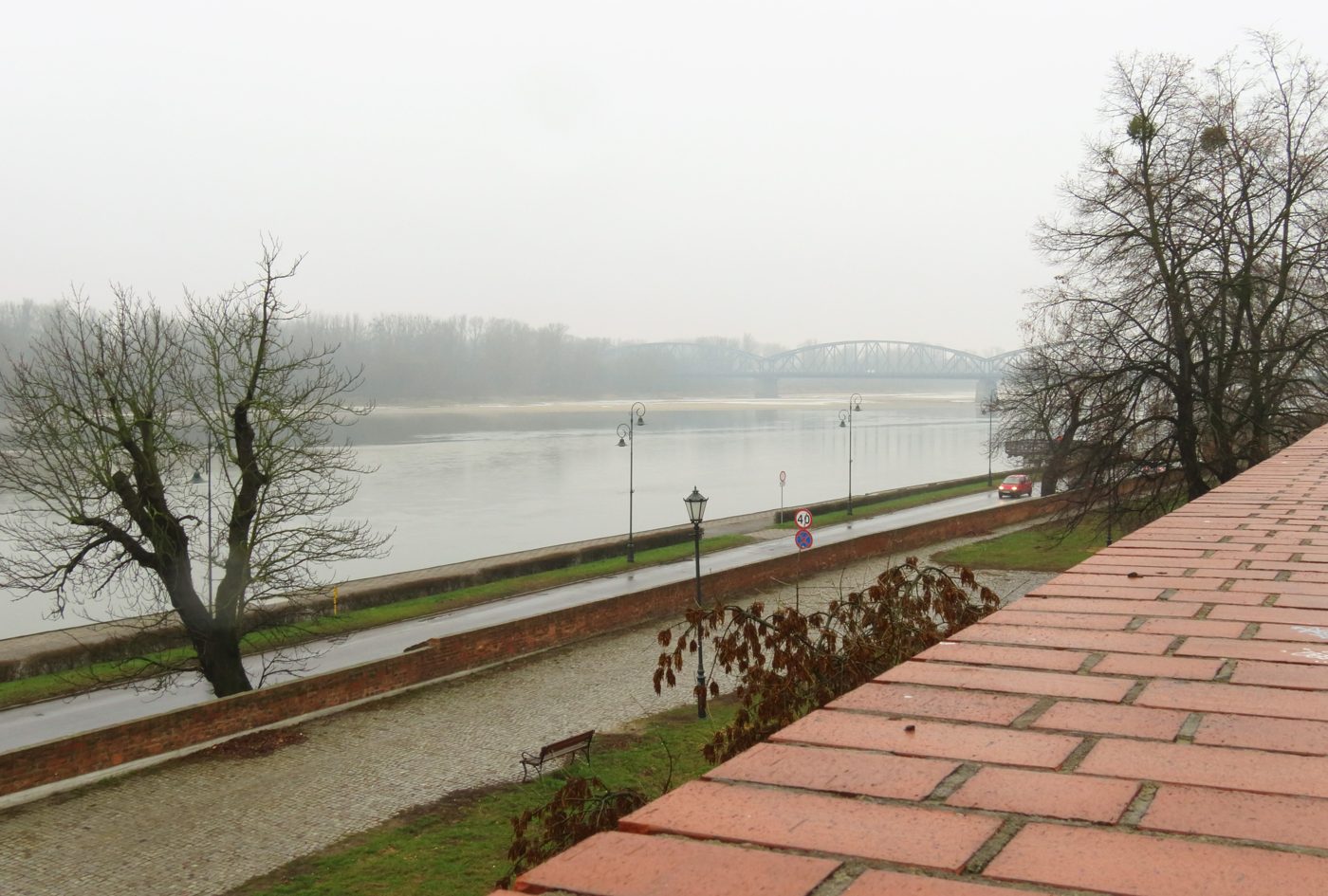
Turn left out of the door and the river wall stops the street. The embankment path runs from there, flat, for twenty kilometres each way.
Forty-nine rooms
Four kinds on floors three to six, each cut to a different shape by the building.
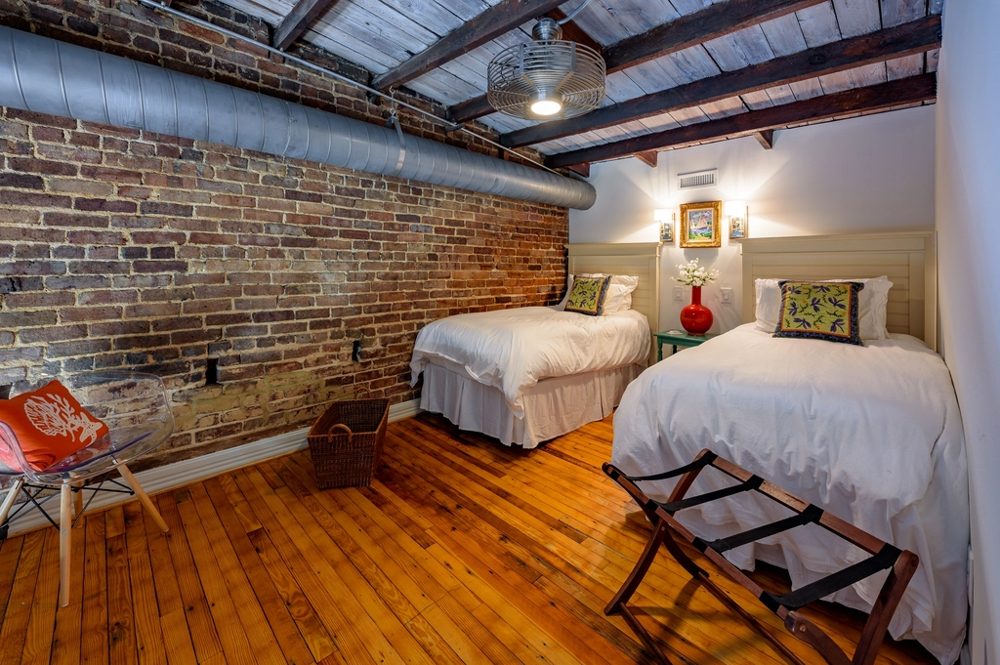
The rooms follow the shape of the building. Some face the river across the embankment road, some sit inside a window opening cut for ventilation, one group lives under the roof between the rafters, and fourteen have a hoist beam across the ceiling. All of them have an oak floor and blackout blinds inside the deep reveals, and the air conditioning went in without cutting a single beam.
Eating in the granary
A ground-floor restaurant, a first-floor bar, and a coffee room that smells of gingerbread.
Spichlerz Table fills the ground floor where carts used to be unloaded, and the kitchen cooks what the region grows: freshwater fish from the Wisła, duck, barley, plums and, in winter, sour rye soup. Breakfast runs long, since most guests have walked a long way the day before.
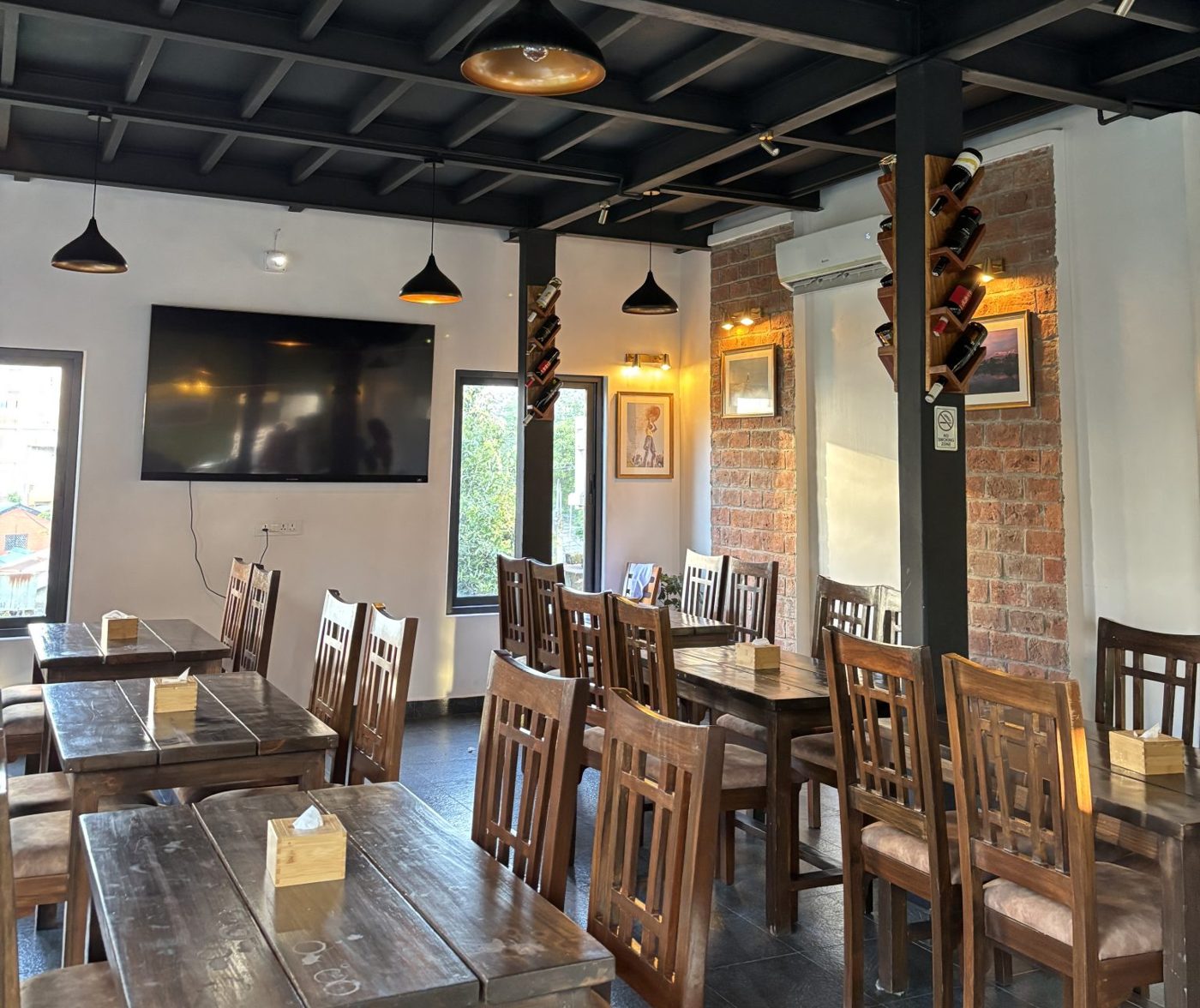
Upstairs, The Hoist Bar has a wall of bare brick and a beam that tall guests have to duck. The Piernik Room, off the lobby, serves coffee and Toruń gingerbread from eleven in the morning.
Wislavin Casino
Second floor, up the brick stair beside the desk.
The hotel runs a small casino of its own on the second floor. From the lobby you take the brick stair beside reception, or the lift behind it, and you never step outdoors to reach the casino, which counts for a lot in February.
There are eight tables and a bar under the original hoist beams, open in the evening from Wednesday to Sunday. Polish law sets the age at 18, and the door team checks photo ID on every visit, whether it is your first or your fiftieth. Limits are set on the floor by the staff who run it, so ask before you sit down.
This is a land-based room only. The website offers no games and takes no bets, deposits or payments of any kind.
Where it stands
ul. Rabiańska, inside the medieval walls, one street back from the water.
Turn left out of the door and the river wall is ten metres away, with the Wisła running wide and brown below it and the road bridge off to the right. Head right and the old town is ninety seconds away, with the market square, the leaning tower, the brick churches and the house where Copernicus was born.